
PHILOSOPHY / SYSTEMS / ETHICS
The Zoverions Framework
A starting point for exploring reality, minds, ethics and power while leaving room for uncertainty and disagreement.
Explore this book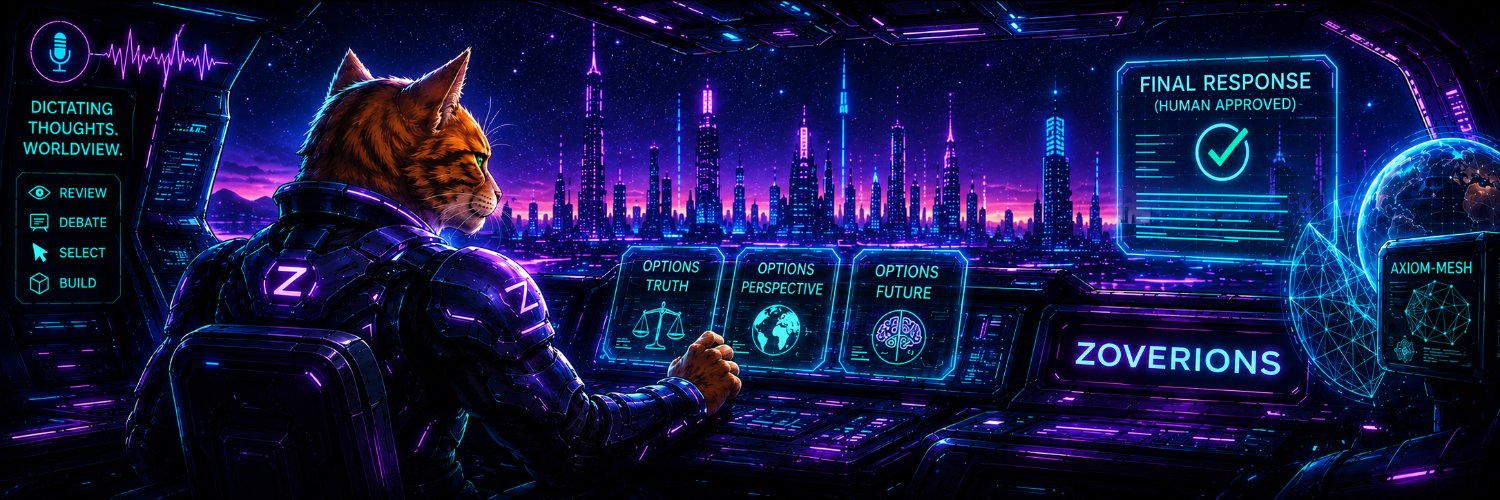

START HERE
Begin with a worldview, a question of freedom, or a closer look at scripture.
PHILOSOPHY / SYSTEMS / ETHICS
A starting point for exploring reality, minds, ethics and power while leaving room for uncertainty and disagreement.
Explore this book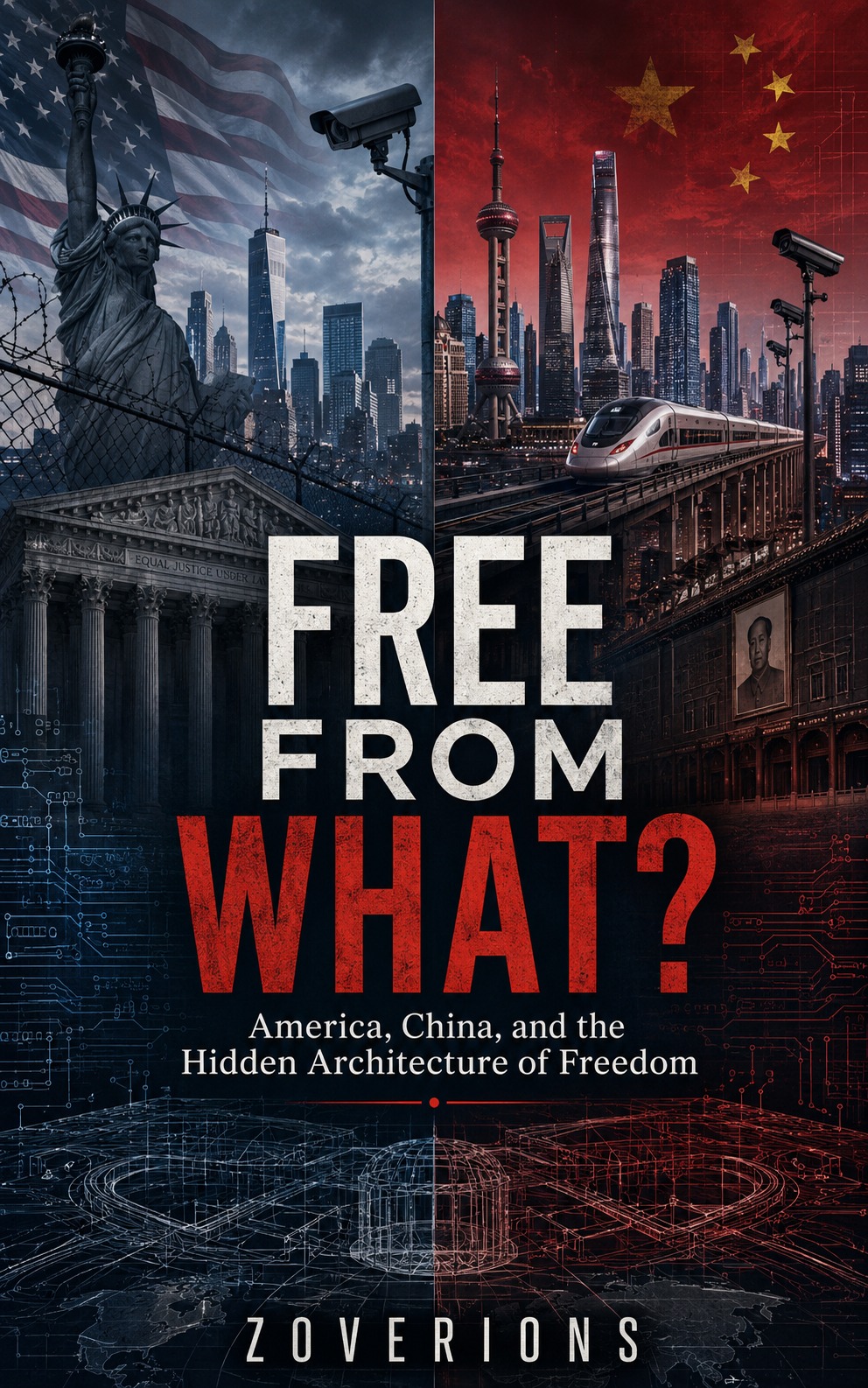
FREE BOOK / NO SIGNUP
A comparative examination of freedom, control and institutional power — free to download, with no signup.
Explore this book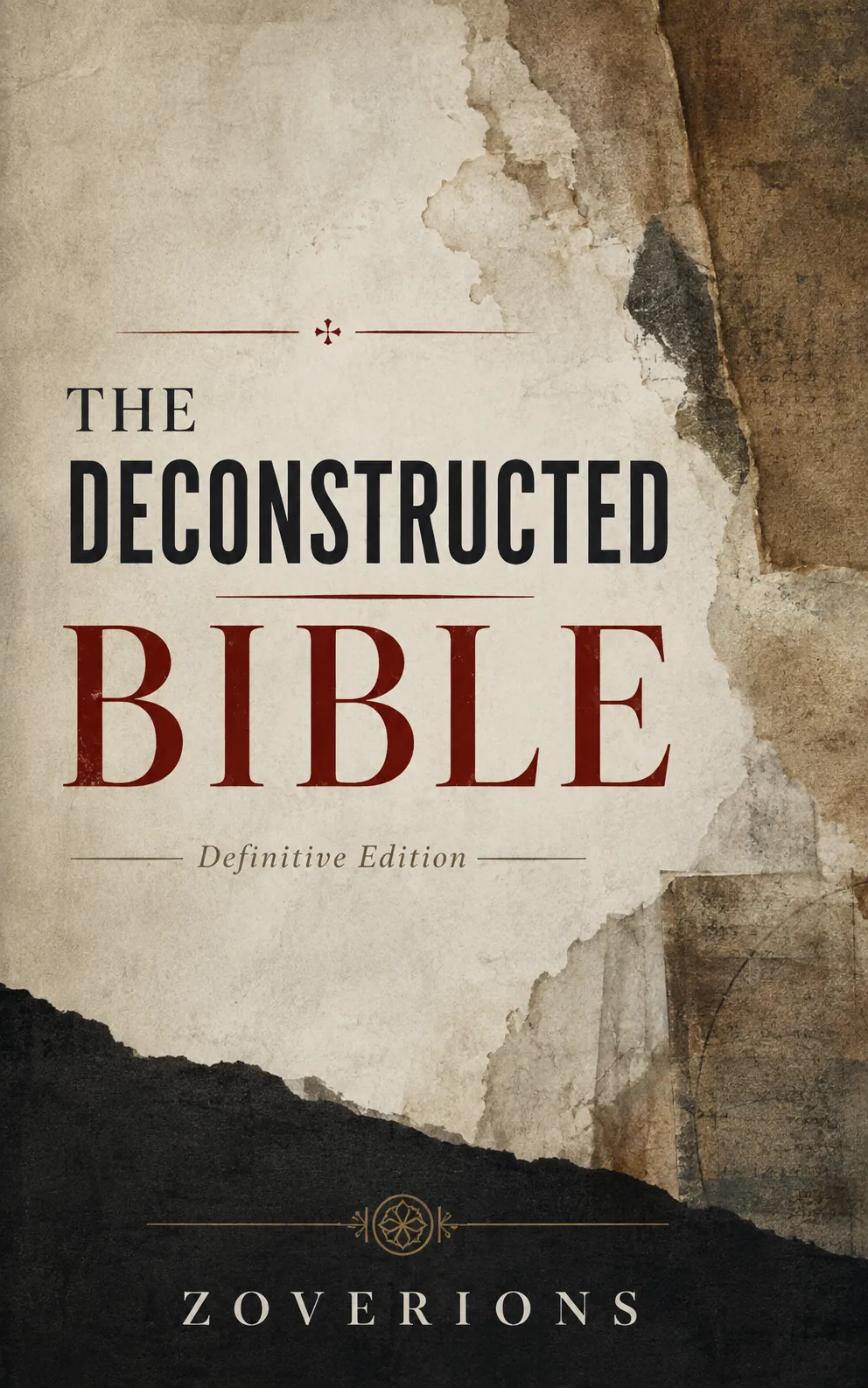
RELIGION / HISTORY / SECULAR ANALYSIS
A secular investigation of how biblical texts were written, passed down, collected and interpreted.
Explore this bookFICTION / THE DOORS OUT
The fiction lives in its own home now. The Greyhaven Mysteries and The Greyhaven Dock Club live at greyhavenbooks.com — this site keeps the doors: cross the bridge for the shelf, the world, and the game that belongs with it.

FICTION / GREYHAVEN
Fair-play mysteries and a young-readers shelf, in a harbour city that keeps its secrets. The books and the world live at greyhavenbooks.com.
See the Greyhaven shelf
GAME / NIGHTSHIFT: GREYHAVEN
The night-shift game moves with the mysteries it belongs to. Its home is on the Greyhaven site now — this door leads straight to its page.
Cross to GreyhavenFrom the Greyhaven shelf:

THE ZOVERIONS COLLECTION
Explore the latest ZOVERIONS clothing, art, accessories and more in our official store.
Browse the current collection, with up-to-date designs, colours, sizes and prices.
Shop the current collection →START WHERE YOU ARE
01 / The worldview
No person, institution, tradition, or machine gets to declare itself the whole story. A good future must make room for difference, vulnerability, and the possibility that we are wrong.
Freedom is practical control over your own life without handing someone else the power to quietly own it. Support should strengthen your choices, not trap you in dependence.
Pain, safety, care, belonging, and opportunity matter to the beings who can experience them. Policies and clever theories should be judged against those lived consequences.
Consent must remain informed, specific, voluntary, and open to revision. An earlier yes does not become permanent permission after circumstances or desires change.
Different beliefs, cultures, relationships, and ways of living can coexist without becoming identical. Disagreement and outside perspectives help every community notice its blind spots.
A choice to leave only counts when people have real alternatives, portable identity, access to resources, an avenue of appeal, and a life that can continue afterward.
The right to change includes the right to remain. Your body, identity, beliefs, relationships, and future belong to your unfolding life, not someone else's preferred template.
02 / How I think
Wonder becomes more valuable when it is not dressed up as certainty. These four labels make room for evidence, inference, open questions, and imagination without confusing them.
A claim has substantial support and can survive serious checking.
The available evidence points somewhere, but the conclusion could still change.
The answer is not established, and curiosity does not need to pretend otherwise.
Metaphor, fiction, and speculation can explore an idea without proving it.
Cosmology can be explored, but it is not the foundation of ethics. We do not need a final theory of the universe to recognize suffering, consent, coercion, or care.
Artificial sentience remains an open question. Human protections and accountable AI governance do not depend on settling that question first.
A good framework should not ask reality to protect it.
03 / Find your way in
The Zoverions Framework is an entry map, not a membership test. There is no required reading order. Follow the question that brought you here, then cross into another subject whenever the connection becomes useful.
A useful philosophy should help you notice where evidence ends, where values begin, and who can challenge the systems shaping your life.
What kind of future leaves room for people who do not think alike?
Separate intelligence, agency, sentience, and permission. Learn to work with capable systems without handing them authority they were never given.
How do we gain the benefits of AI without surrendering accountability?
Manufacturable intelligence can change what societies produce. Ownership, access, energy, and institutions still decide whether ordinary people benefit.
What happens when work stops being the only route to a secure life?
Groups can coordinate, learn, and exercise power without becoming entitled to the lives of their members. Dissent, appeal, and meaningful exit keep a society honest.
How can communities cooperate without closing around the people inside them?
Feelings provide information; they do not issue commands. Personal agency grows when people have support, practical options, and permission to become themselves.
What changes when you stop confusing the loudest feeling with the whole truth?
Ask how living systems cooperate, how moral traditions change, and how wonder survives uncertainty. Science, spiritual reflection, and speculation carry different burdens.
Can we hold awe and conscience without pretending to possess final answers?
Stories make structural questions personal. Follow people living through automation, manufactured scarcity, changing bodies, uneven abundance, and the struggle to leave.
If almost everything became affordable, who would still control the door?
Titles above map the ideas; current editions and availability live on the official ZOVERIONS author page.
04 / What I am building
Better futures need more than attractive promises. They need clear principles, honest tradeoffs, and systems that can actually be checked.
A practical trust layer for capable agents, bounded authority, and accountable action.
02 Independent publishingClear-eyed writing on minds, meaning, technology, belief, and the world we are entering.
03 Living philosophyAn open-ended way to reason about ethics, agency, uncertainty, and coexistence.
04 Learning without conformityLocal-first, lifelong learning designed to strengthen curiosity, critical thinking, and individual agency.
05 / Featured project
An agent may know what to do. That does not mean it has permission to do it.
AXIOM-MESH is an open-source trust layer designed around explicit permissions, verifiable identity, guarded execution, and evidence that survives scrutiny.
Current build: production candidate, not production-promoted.
06 / Independent writing
Books, articles, and videos that take difficult subjects seriously without demanding that uncertainty disappear. Follow the published catalogue, read the latest long-form thinking on X, or continue the conversation on YouTube.
What changes when the world begins sharing thought with kinds of minds it has never met?
Explore the author catalogue Ethics / philosophyA living approach to moral reasoning, agency, and the practical work of living together.
Explore the author catalogue Agency / technologyA practical guide to feelings, attention, identity, difficult moments, and recovering room to choose.
Explore the author catalogue AI / practical collaborationUse capable AI systems thoughtfully without confusing fluency, usefulness, permission, and trust.
Explore the author catalogue Collective agency / institutionsWhat emerges when people, organizations, and intelligent systems begin acting together?
Explore the author catalogue Automation / human futuresWhen useful intelligence becomes manufacturable, the deeper question is who shares in the future.
Explore the author catalogue07 / A living framework
A worthwhile future cannot depend on everyone sharing the same beliefs, the same body, or the same kind of intelligence.
The Framework is a working map, not a finished doctrine. Its claims can be challenged, its branches can be revised independently, and none of its readers has to begin in the same place.
People should have real control over the systems and decisions shaping their lives.
Better judgment begins with admitting what we know, what we do not, and what might change.
Efficiency is worthwhile when it expands freedom, understanding, and time for life.
Capability, access, intelligence, and good intentions never create authority by themselves.
People need room to revise who they are without losing dignity, continuity, or the right to say no.
08 / Go deeper
These are entry points, not declarations of final certainty. Open the question that catches your attention, inspect the distinction underneath it, and follow the thread wherever it leads.
Intelligence, agency, sentience, and personhood are different questions. A system can solve problems or pursue a goal without establishing that it experiences the world from the inside. Treating all four as one ladder makes both human protections and AI governance less clear.
Follow the minds and intelligence pathBeing able to act does not establish a right to act. People, institutions, and software still need an accountable source of permission, a bounded purpose, a record that can be checked, and a way for affected people to contest the result.
Artificial sentience is not a prerequisite for accountable governance. Those safeguards matter now, whether a system is conscious or not.
See how AXIOM handles authorityNo. A society can produce more food, housing, care, and energy while still concentrating control over the systems that distribute them. Abundance is not freedom when survival depends on obedience or when only a few people own the productive machinery.
The relevant measure is whether ordinary people gain security, usable options, and time for their own lives.
Follow the work and abundance pathA door on paper is not enough. Meaningful exit requires realistic alternatives, portable identity, access to resources, protection from retaliation, and a life that remains possible after departure. Consent weakens when refusing becomes catastrophic.
Follow the communities and power pathYes. New options in identity, medicine, genetics, learning, or brain-machine interfaces should expand self-authorship. The right to change includes the right to remain, and neither path becomes legitimate when it is forced.
Follow the personal agency pathA group can coordinate, remember, and make decisions without becoming a blank cheque to control the individuals who compose it. Higher-order agency does not erase its constituents. Collective power needs challenge, representation, and meaningful exit.
Evolution is not destiny. The emergence of larger forms of cooperation does not make any particular future inevitable or automatically desirable.
Explore collective agencyNo. Harm, care, consent, dignity, and domination can be examined without solving the origin or purpose of the cosmos. Cosmology is not the foundation of ethics, and speculation cannot quietly borrow the authority of established evidence.
Review the evidence boundariesWonder, ritual, spiritual language, and inherited traditions can matter without becoming exempt from moral scrutiny. Sacred authority is not moral proof. Claims about history, science, conscience, metaphor, and speculation still need to be distinguished.
Follow the meaning and evolution pathStatistics can explain a transition without showing what it feels like to live through one. The Scarcity storyworld explores moving bottlenecks, manufactured dependence, changing human possibilities, and the difference between being provided for and being free.
Fiction is a way to explore consequences, not evidence that any particular future has already been decided.
Enter the fiction and storyworlds path09 / Futures worth building
The coming changes are not only technical. They force harder questions about who benefits, who decides, and whether people remain free to shape their own lives.
Work / resources / time
Automation can make housing, food, knowledge, and care easier to provide. Abundance only becomes freedom when ordinary people share in those gains without surrendering security or self-determination.
Body / identity / choice
Medicine, genetics, and brain-machine interfaces will expand the possible ways to live. Changing yourself is a choice, not an obligation; remaining who you are deserves the same protection.
Intelligence / authority / trust
Helpful systems should expand human agency instead of consuming it. Powerful tools need explicit limits, honest evidence, and a way for the people affected to challenge the result.
Learning / curiosity / growth
Learning should help people investigate, adapt, and author their own paths. Axiom Education connects those principles to practical, lifelong, local-first learning.
Explore Axiom Education
Keep the conversation open
An external profile may reflect an older snapshot. The current ideas live here and in the work linked above.